 Spatyom

2026 Full Moon Calendar: Lunar Phases and Sky Events
What dates will the Full Moon occur in 2026? Here is the complete list, traditional names, eclipses, and Supermoon details.
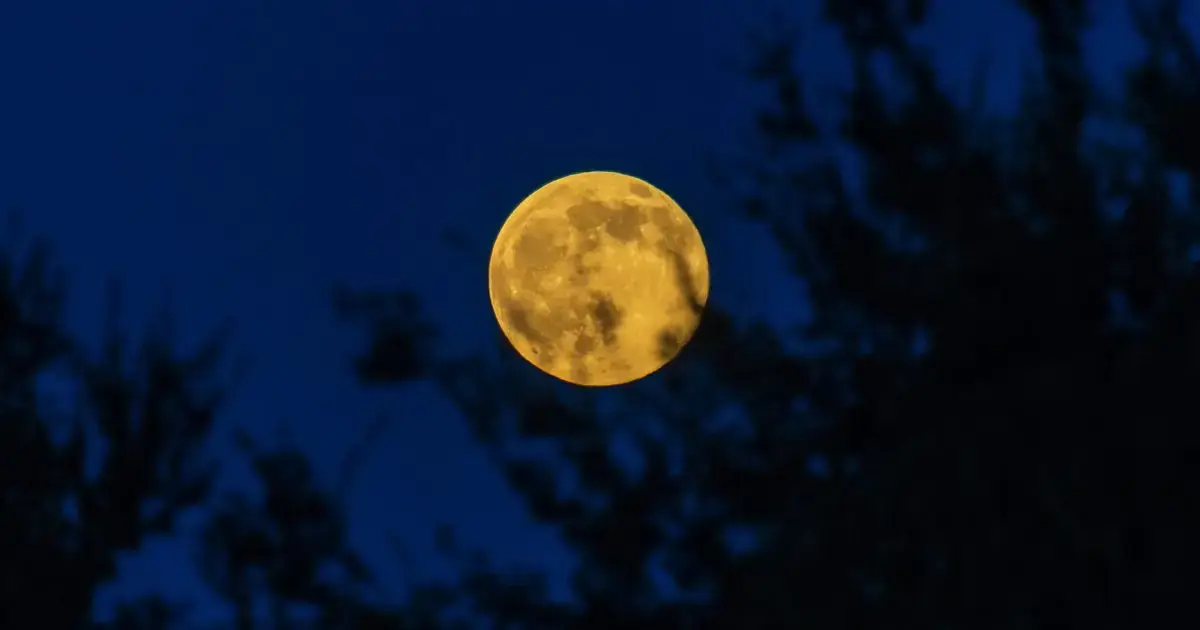
The year 2026 will host many important events for sky enthusiasts. While Full Moons, eclipses, and the Moon's phases repeat regularly each month, in some months we will encounter special names and astronomical events. In this article, you will find all the Full Moon dates throughout 2026, their traditional names, and noteworthy celestial events. A Full Moon occurs when the Earth comes between the Sun and the Moon, and the side of the Moon facing us is fully illuminated. These moments are important opportunities for watching the sky and making astrological interpretations. Additionally, special situations such as eclipses and Supermoons in 2026 offer unmissable moments for sky observers. Let's take a look at the 2026 Full Moon calendar together.
2026 Full Moon Calendar: Dates and Names
In 2026, a total of 13 Full Moons will occur. Each has its own traditional name. Here is the Full Moon list for the entire year:
- January 3, 2026, 05:03 (EST): Wolf Moon (Supermoon) – The first Full Moon of the new year also stands out as a Supermoon.
- February 1, 2026, 17:09 (EST): Snow Moon – Symbolizes the heavy snowfall of the winter months.
- March 3, 2026, 06:38 (EST): Worm Moon – Will occur together with a Total Lunar Eclipse.
- April 1, 2026, 22:12 (EST): Pink Moon – In honor of spring's pink flowers.
- May 1, 2026, 13:23 (EST): Flower Moon – Celebrates the blooming of May flowers.
- May 31, 2026, 04:45 (EST): Blue Moon – The second Full Moon in a month.
- June 29, 2026, 19:57 (EST): Strawberry Moon – Marks the strawberry harvest season.
- July 29, 2026, 10:36 (EST): Buck Moon – Symbolizes deer growing new antlers.
- August 28, 2026, 00:19 (EST): Sturgeon Moon – Together with a Partial Lunar Eclipse.
- September 26, 2026, 12:49 (EST): Corn Moon – Also known as the 2026 Harvest Moon.
- October 26, 2026, 00:12 (EST): Hunter's Moon – Commemorates the pre-winter hunting season.
- November 24, 2026, 09:54 (EST): Beaver Moon (Supermoon) – Time for beavers to build their winter dams.
- December 23, 2026, 20:28 (EST): Cold Moon (Supermoon) – Evokes the cold of winter.
These dates are according to Eastern Time (EST). The difference with Turkey time (TSI) is usually +7 or +8 hours, and dates may change. Full Moon moments do not create a visually noticeable difference unless they coincide with the Moon's closest or farthest point to Earth. However, the three Full Moons marked as Supermoons (January, November, and December) will appear larger and brighter than normal.
Lunar Phases and the Formation of the Full Moon
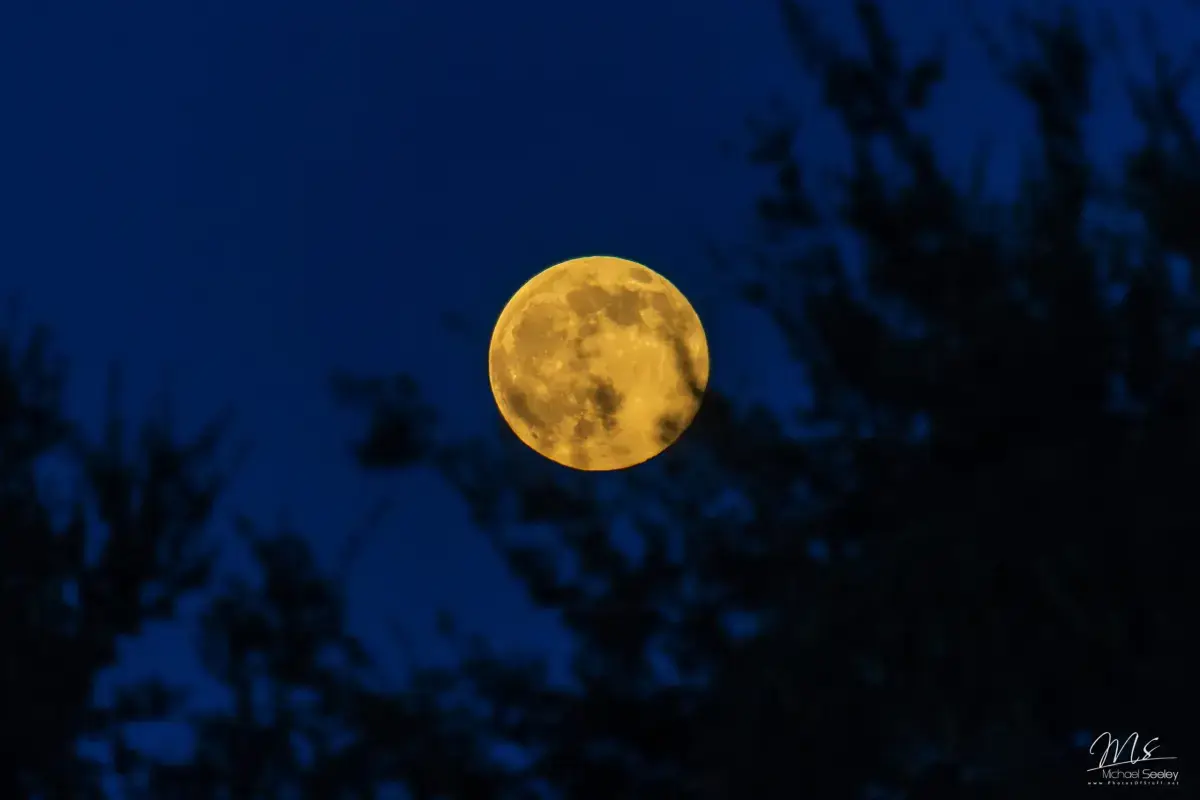
The Moon orbits the Earth approximately once every 29.5 days. This period is called the synodic month or lunar month. During this cycle, the Moon passes through eight main phases: New Moon, waxing crescent, First Quarter, waxing gibbous, Full Moon, waning gibbous, Last Quarter, and waning crescent. The Full Moon occurs at the moment when the Earth is perfectly aligned with the Sun and the Moon. At this moment, the side of the Moon facing us is completely illuminated by sunlight. However, for observers, the Moon may appear full for about three days before and after this exact alignment. Therefore, you can look at the sky for several days so as not to miss the Full Moon.
The Moon's phases are formed by the changing shape of the illuminated portion of the Moon as seen from Earth. During the New Moon, the Moon is between the Earth and the Sun, and the side facing us is dark. During the First Quarter, the right half of the Moon is illuminated. During the Full Moon, the entire face is illuminated. These phases occur as the reflection angle of light changes depending on the Moon's position around the Earth. The Moon's phases also hold an important place in astrology. Especially the New Moon and Full Moon periods are interpreted as new beginnings and endings.
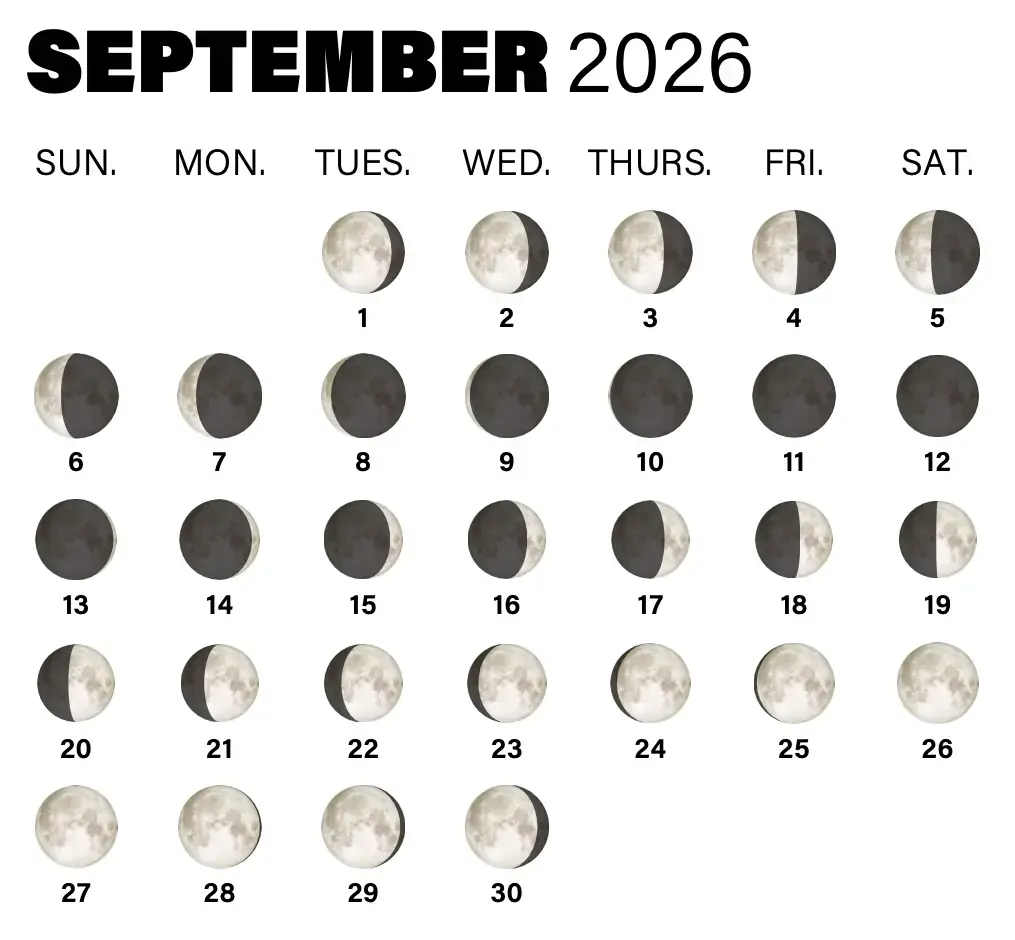
In 2026, the Moon's phases will repeat at regular intervals. For example, in September 2026, the Moon's phases will occur as follows: New Moon on September 10, First Quarter on September 18, Full Moon on September 26, and Last Quarter on October 3. These phases offer sky observers the opportunity to observe the Moon's different illumination rates. Especially in the days before the Full Moon, the Moon's brightness gradually increases and decreases after the Full Moon. This change is also taken into account in astrological interpretations, because each phase is believed to have a different energy.
Special Types of Full Moons: Supermoon, Blue Moon, and Others
Full Moons are known not only by their traditional names but also by their special positions. Some special types of Full Moons we encounter in 2026 are:
- Supermoon: A Full Moon that occurs at the point where the Moon is closest to Earth (perigee). In this case, the Moon appears larger and brighter than normal. In 2026, the Full Moons on January 3, November 24, and December 23 are Supermoons.
- Blue Moon: A Full Moon that occurs for the second time in a calendar month. In 2026, May 31 is called a Blue Moon. A Blue Moon occurs about every 2.7 years and its color is not blue; it merely indicates a rare event.
- Black Moon: This is an unofficial term and is generally used for the third of four New Moons in a season or the second of two New Moons in a month. There appears to be no Black Moon in 2026, although according to some definitions there are two New Moons in February 2026 (between February 17 and March 19). In fact, there is only one New Moon in February 2026 (February 17). Therefore, no Black Moon is expected in 2026.
- Harvest Moon: The Full Moon closest to the autumn equinox, and it usually occurs in September. In 2026, the Full Moon on September 26 is the Harvest Moon. This Moon can take on an orange color and rises near sunset and sets near sunrise; thus it provides farmers with long-lasting moonlight.
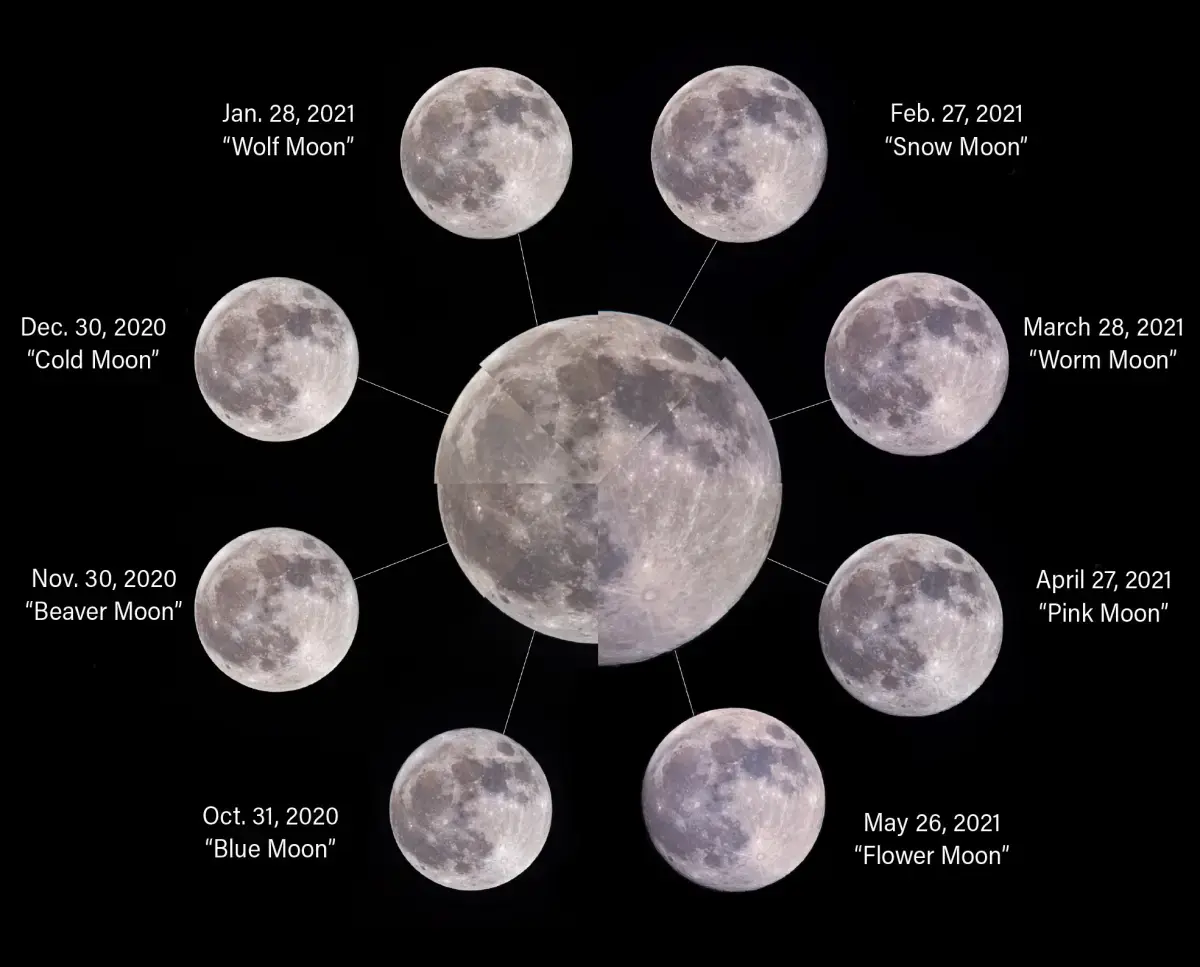
These special names come from the sky observations and agricultural cycles of different cultures. Indigenous peoples in North America, European colonists, and other communities gave names to each month's Full Moon based on events in nature at that time. For example, the Wolf Moon in January refers to the howls of hungry wolves in winter. The Snow Moon in February recalls heavy snowfall. The Worm Moon in March symbolizes worms emerging as the soil thaws. The Pink Moon in April commemorates the pink flowers blooming in spring. The Flower Moon in May celebrates the abundance of flowers. The Strawberry Moon in June marks strawberry harvest time. The Buck Moon in July highlights deer growing new antlers. The Sturgeon Moon in August is dedicated to the sturgeon abundant in the Great Lakes. The Corn Moon in September symbolizes the corn harvest. The Hunter's Moon in October commemorates the pre-winter hunting season. The Beaver Moon in November indicates the time when beavers build their winter dams. The Cold Moon in December expresses the freezing cold of winter.
Lunar Eclipses and Sky Events
Two important lunar eclipses will occur in 2026. The first is the Total Lunar Eclipse on March 3. This eclipse will occur during the Worm Moon, and the Moon will fully enter Earth's shadow. During a total lunar eclipse, the Moon takes on a reddish color and is also known among the public as a "Blood Moon." This event is a fascinating sight for sky observers. The second is the Partial Lunar Eclipse on August 28. In this eclipse, part of the Moon will remain in Earth's shadow, and a portion of the Moon will darken. Partial eclipses are also enjoyable events to watch.
Lunar eclipses occur when the Earth comes between the Sun and the Moon. Earth's shadow falls on the Moon, and part or all of the Moon remains in darkness. During a total lunar eclipse, the Moon is completely in Earth's shadow and takes on a red color. This is because sunlight bends as it passes through Earth's atmosphere and red wavelengths reach the Moon. In a partial eclipse, only part of the Moon remains in shadow. These eclipses are also considered important events in astrology and are generally interpreted as harbingers of great changes.
In addition to the eclipses in 2026, planetary transits and other celestial events will also color the sky. For example, in September 2026, Venus, the Moon, and the star Spica will form a beautiful triangle in the sky. On the evening of September 13, the crescent Moon will shine just below Venus, and Venus, with a brightness of -4.8 magnitude, will be visible on the western horizon shortly after sunset. On September 14, the Moon will pass 0.5 degrees north of Venus. Such events offer unmissable opportunities for sky observers. Additionally, on September 17, the Moon will pass 0.6 degrees south of the star Antares. These transits are also considered astrologically important and are interpreted according to the positions of the planets in the zodiac signs.
The Astrological Importance of the Full Moon
In astrology, the Full Moon symbolizes periods when emotions reach their peak, completion, and conclusion. The Full Moon occurs when the Sun and Moon are in opposite signs. This opposition emphasizes inner and outer balance, relationships, and awareness. Full Moon periods are generally associated with events such as the completion of a project, a turning point in a relationship, or the revelation of a subject. The Full Moons in 2026 will also highlight different themes according to the zodiac signs. For example, the Wolf Moon on January 3 will occur in the sign of Cancer and will emphasize family, home, and emotional security issues. The Snow Moon on February 1 will be in Leo and will bring creativity, love, and self-confidence themes to the agenda. The Worm Moon on March 3 will occur in Virgo together with a total lunar eclipse; health, order, and daily routines will come to the fore. Each Full Moon is interpreted according to the qualities of the sign it is in and can make important triggers in personal charts.
The astrological effects of the Full Moon depend on the position of the Moon in the birth chart and the aspects it makes with other planets. For example, if the Full Moon is conjunct the Sun in your birth chart, this period may bring important awareness regarding your personal goals and identity. If it is conjunct the Moon, emotional issues and family matters may come to the fore. The effects of the Full Moon generally begin a few days before and last until a few days after. Therefore, it can be useful to note the Full Moon dates and practice conscious awareness during those periods. Astrology offers tendencies and themes rather than exact predictions; so evaluating Full Moon periods as an opportunity can be valuable for personal growth.
The Full Moons that will occur throughout 2026 show that it will be a rich year both astronomically and astrologically. Whether you watch the sky with the naked eye or look at the details with a telescope, mark your calendar now so you don't miss these events. Remember, astrology is not a prediction but the interpretation of celestial movements. In the light of the Full Moon, it will be a great year to observe your own inner cycles as well.
Comments
No comments yet. Be the first.