 Spatyom

Leonid Meteor Shower 2026: Shooting Stars from Leo and History's Great Sky Storms
The Leonid meteor shower graces the sky every mid-November with shooting stars radiating from the constellation Leo. In 2026, during dark hours free from moonlight, you can see 10-15 meteors per hour. Witness this cosmic show guided by Jupiter and Mars.
Every year in mid-November, a quiet but impressive event takes place in the sky: the Leonid meteor shower. These shooting stars, radiating from the direction of the constellation Leo, are actually created when Earth collides with dust particles left behind by a comet. In 2026, the Leonids offer the best viewing opportunity from midnight to dawn on November 17-18. With the Moon in its first quarter phase and setting around midnight, the sky will be quite dark. Moreover, Jupiter and Mars will shine near Leo's Sickle pattern, making it easier for you to find the radiant point. In this article, you will discover step by step the origins of the Leonids, their unforgettable storms in history, and what awaits you in 2026.
Origin of the Leonids: Comet 55P/Tempel-Tuttle
The source of the Leonid meteor shower is a periodic comet known as 55P/Tempel-Tuttle. This comet completes its orbit around the Sun in about 33 years and leaves a dust trail behind with each close approach. As Earth passes through this trail every November, the dust particles entering the atmosphere burn up and turn into meteors. The comet's discovery dates back to 1865: Wilhelm Tempel from the Marseille Observatory in France spotted this object on December 19, 1865, in the northern sky, below the North Star, near the star Beta Ursae Minoris. However, before the news reached the US, 17 days later, Horace Tuttle from Harvard Observatory also observed the same comet. Due to the independent discoveries, the comet was named after both astronomers. Orbital calculations revealed that the great meteor storm of 1833 also originated from the debris of this comet. Since then, the Leonids have become both a curiosity and a calendar event for astronomers. The comet was last seen in 1998, and its next return is expected in early 2031. Until then, every November, we will continue to watch the traces of this cosmic dust.
Historic Leonid Storms
Beyond being an ordinary meteor shower, the Leonids have gained fame for storms that occasionally turn the sky into a veritable rain of light. The first major meteor storm of the modern era occurred on November 12-13, 1833. In this event, known as "The Night the Stars Fell," meteor rates were estimated to reach up to 150,000 per hour; some observers reported seeing 20 to 70 meteors per second. This event deeply influenced people's view of the sky and was a turning point in the scientific understanding of meteor showers. About 33 years later, similar storms were recorded in 1866 and 1867. In 1899, however, the expected storm did not occur, causing great disappointment; some astronomers described it as the heaviest blow to astronomy's reputation in the public eye. The most unforgettable Leonid storm of the 20th century occurred on the morning of November 17, 1966, over the American continent. Observers reported intensities of up to 70 meteors per second for 15-20 minutes. One eyewitness described those moments by saying, "I felt I almost had to hold on to the ground." Impressive showers also occurred between 1999 and 2001: in 1999, 3,700-4,000 meteors per hour were counted, and in 2001, with a double peak, over 3,000 meteors. These storms explain why the Leonids are so famous; because this shower, which produces only 10-15 meteors per hour in normal years, can rarely turn into a visual feast.
The 2026 Leonids: What to Expect?
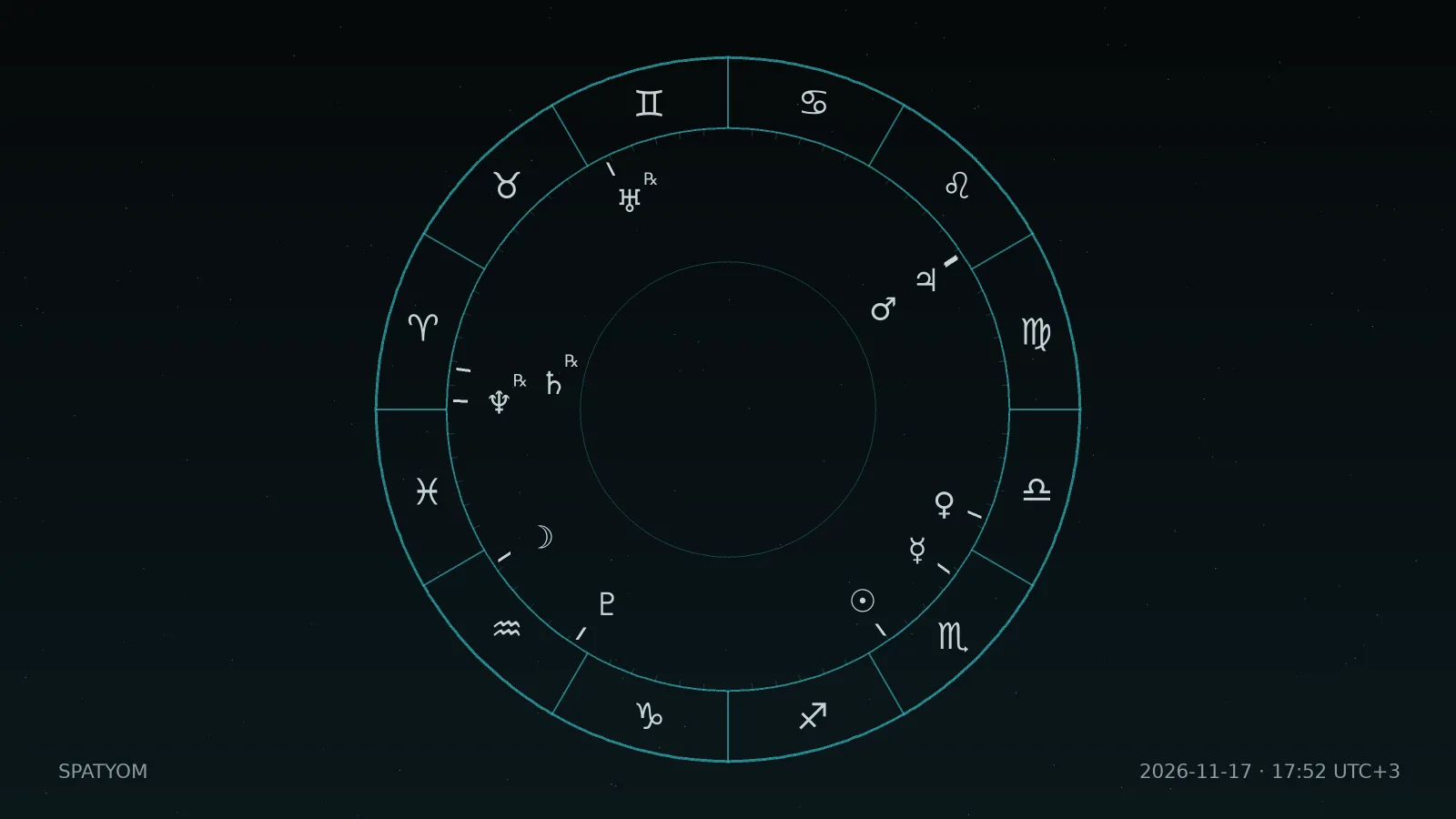
In 2026, the Leonid meteor shower offers the best viewing window from midnight to dawn on November 17-18. The radiant point of the meteors is located within the Sickle pattern in the constellation Leo and rises from the eastern horizon at midnight. However, you don't need to look directly at the radiant to see meteors; they can appear anywhere in the sky. This year, the Moon will be in its first quarter phase on November 17 and will set around midnight, so the sky will be dark after midnight. Under a dark sky, you can see 10-15 Leonid meteors per hour. Additionally, Jupiter and Mars will shine in the east around midnight, near Leo's Sickle region. These two bright planets will guide you to find the radiant point. The closeness of Jupiter and Mars will draw attention like a flare in the sky. Remember, you don't need a telescope or binoculars to watch meteor showers; just a comfortable chair, a warm drink, and patience are enough. Wait at least 20 minutes for your eyes to adjust to the dark and choose a spot away from light pollution.
Guide to Watching the Leonids: Where and How to Look?
The best time to watch the Leonids is from midnight to dawn. The night connecting November 17 to 18 and the early hours of November 18 are when meteor density is highest. The radiant point rises in the east at midnight and reaches its highest point before dawn. Therefore, you can start observing the eastern horizon after midnight. However, since meteors can appear anywhere in the sky, it's best to scan a wide area. Find a dark rural area away from city lights; wait 20-30 minutes for your eyes to adjust to the dark. Take a thermos, a blanket, and maybe a camping chair. If you want to photograph meteors, you can use a wide-angle lens and long exposure, but this is just a hobby; the real joy is watching with the naked eye. In 2026, the position of Jupiter and Mars, especially after midnight in the eastern horizon, will guide you. If you recognize the Sickle pattern of the constellation Leo, finding the radiant point will be easier. Remember, even if the meteor count is low, each meteor is a cosmic dust grain burning up in the atmosphere; so be patient and keep scanning the sky.
The Leonids and Astrological Context
Astrology is the art of interpreting movements in the sky, and although meteor showers are not directly associated with zodiac signs, the Leonids radiating from the constellation Leo carry an interesting parallel with the symbolism of the Leo sign. The Leo sign is associated with creativity, courage, and showmanship; the visual spectacle that the Leonids occasionally create in the sky can be considered a metaphor in harmony with this energy. In 2026, during the Leonids, Jupiter and Mars shining in Leo's Sickle region is also noteworthy astrologically. Jupiter is the planet of expansion, abundance, and luck; Mars is the planet of energy, passion, and action. The coming together of these two planets in Leo's symbolic area may indicate creative projects, bold initiatives, and bursts of self-confidence. However, astrology is not a science but a tradition of interpretation; such connections gain meaning within the framework of personal experience and belief. While watching meteor showers, you can also think about this symbolic language of the sky, but what you should really focus on is enjoying this natural show that the universe offers.
Difference Between the Leonids and Other Meteor Showers
The Leonids differ from other popular meteor showers (like the Perseids, Geminids, Orionids) in some respects. First, since their source is a comet (the Geminids originate from an asteroid), they carry characteristics specific to cometary debris. The biggest difference of the Leonids is their potential to occasionally turn into meteor storms; such events can occur with 33-year periods. Additionally, the Leonids are fast meteors; they enter the atmosphere at about 71 kilometers per second and leave bright, sometimes colored trails. In 2026, a modest number like 10-15 meteors per hour is expected, but even this offers a pleasant viewing experience under a dark sky. Compared to other showers, the Leonids' radiant point is in the constellation Leo and is better seen in the Northern Hemisphere. It can also be seen in the Southern Hemisphere, but since the radiant will be closer to the horizon, the meteor count may be lower. The Leonids have both frightened and fascinated people throughout history; in this respect, they have a cultural weight that distinguishes them from other showers.
Understanding Meteor Showers: Science and Observation
Meteor showers occur when Earth encounters dust particles left behind by a comet or asteroid. When these particles enter the atmosphere, they heat up due to friction and burn up, creating bright streaks. For the Leonids specifically, most particles are the size of a grain of sand, but due to their speed, they can appear very bright. Astronomers calculate the comet's orbit and the points where Earth intersects this orbit to predict the intensity and timing of meteor showers. For the 2026 Leonids, predictions are at a level of 10-15 meteors per hour. This number is an amount that can be comfortably seen with the naked eye under a dark sky. To increase the meteor count, you need to wait for the radiant point to rise and scan a large portion of the sky. Also, the brightness (magnitude) of the meteors is important; the Leonids generally produce bright meteors and sometimes very bright ones called fireballs can be seen. If you see a fireball, you can report it to the American Meteor Society; this contributes to scientific data collection.
Cultural and Historical Impact of the Leonids
The Leonid meteor shower is not only an astronomical event but also a cultural phenomenon. The great storm of 1833 left a deep impact on the people living at that time. Those who witnessed what seemed like stars falling from the sky tried to explain this event with religious and mythological interpretations. Some saw it as a warning, others as a miracle. The Leonids also inspired literature and art; for example, the 1833 storm was the subject of various engravings and paintings. Today, meteor showers are a meeting point for sky observers; people camp and watch this natural light show. The Leonids are also part of the amateur astronomy community; photographers wait for hours to immortalize these moments. A similar enthusiasm is expected in 2026, but this year the presence of Jupiter and Mars will make the observation even more special.
Tips to Not Miss the Leonids in 2026
To experience the Leonids in the best way, here are a few practical tips: First, plan for the night of November 17 and the morning of November 18. Check the weather; a clear sky is essential. Get away from city lights, preferably go to a high point. Take warm clothes, a blanket, and a hot drink. To adjust your eyes to the dark, do not use your phone or flashlight; you can use red light. Look with a wide angle to scan the sky, don't focus on a specific point. If you want to photograph meteors, use a wide-angle lens, tripod, and long exposure (15-30 seconds). But remember, the most beautiful moments are those seen with the naked eye. Finally, be patient and enjoy every moment.
Conclusion: The Sky's Quiet but Impressive Show
The Leonid meteor shower offers a quiet but impressive show in the sky every November. In 2026, the absence of moonlight and the guidance of Jupiter and Mars will make this experience even more special. Although a modest number like 10-15 meteors per hour is expected, the memory of the great storms in history and this cosmic dust coming from the depths of the sky are worth watching. On this November night, take a blanket, go outside, and enjoy this natural light show that the sky offers. Maybe you'll make a wish upon a meteor, maybe you'll just feel the vastness of the universe. In either case, the Leonids are waiting for you.
Comments
No comments yet. Be the first.