 Spatyom

The Great Square of Pegasus: A Baseball Diamond in the Sky
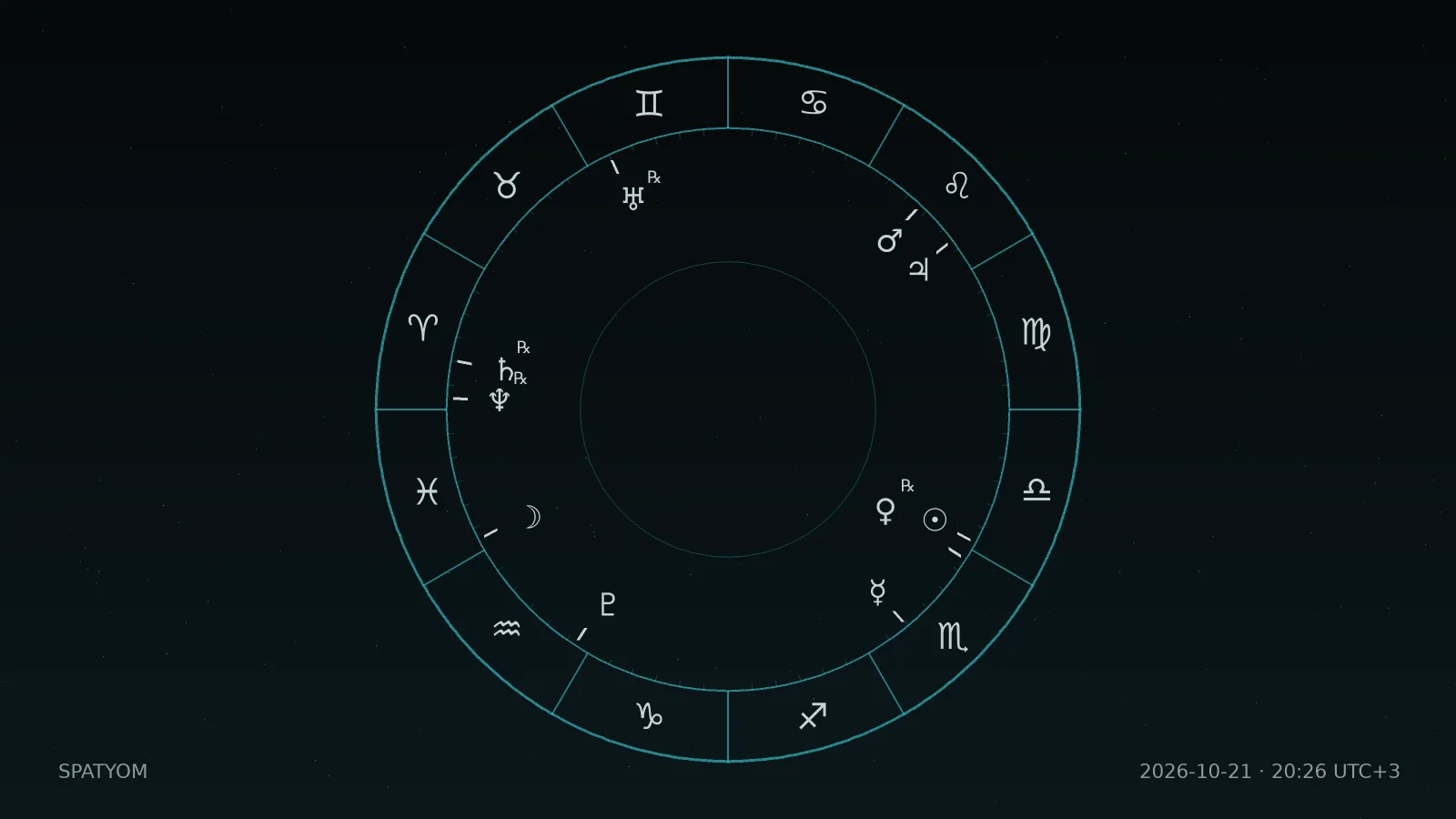
The Great Square, adorning the eastern horizon on autumn evenings, resembles a giant baseball diamond from certain angles. Its four stars, along with Saturn and the waxing Moon on the evenings of October 23-24, offer a delightful stargazing experience.

With the arrival of autumn, the night sky welcomes new guests. The bright constellations of summer give way to calmer yet equally intriguing patterns. One of these is the Great Square of Pegasus, which stands out especially on October evenings. This square, formed by four bright stars, sometimes looks like a baseball diamond due to its tilted position relative to the horizon. It is a delightful sight for both beginners and experienced observers.
The Stars of the Great Square
The Great Square draws its namesake geometric shape with four stars. Each of these stars has different characteristics. The brightness of the stars forming the square ranges between second and third magnitude; that is, they are easily visible to the naked eye in a sky away from city lights. Most of these stars are located a few hundred light-years away from us. The stars that form the corners of the Great Square are:
- Algenib (Gamma Pegasi): Located at one corner of the Square, this star is an old star about five times larger than the Sun.
- Markab (Alpha Pegasi): This star at another corner of the Square takes its name from the Arabic word for "saddle."
- Scheat (Beta Pegasi): A red giant star, Scheat shines at another corner of the square.
- Alpheratz (Alpha Andromedae): Actually belonging to the constellation Andromeda, this star lies on the border between Pegasus and Andromeda and was considered part of both constellations for many years.
Although its name means "the horse's navel" in Arabic, Alpheratz is now accepted as part of Andromeda. This star, about 100 light-years away, stands out with its pale, icy color. The other stars forming the Great Square remain within the boundaries of the Pegasus constellation.
A Baseball Field in the Sky
As the Great Square rises above the eastern horizon on October evenings, it appears tilted relative to the horizon. This tilt turns the square into a diamond shape. Considering that a baseball field is diamond-shaped, this pattern in the sky resembles a baseball field. When the square is rotated 45 degrees relative to the horizon, it takes on a perfect diamond form. Over time, as the Earth rotates, this pattern rises in the sky and changes shape; as the night progresses, the square becomes more upright and moves away from the diamond form. Nevertheless, it is possible to catch this interesting view in the early hours of October evenings.
To find the Great Square, you can first look for Saturn. On October evenings, Saturn draws attention in the eastern sky with its bright, golden light. After finding Saturn, if you look a little to the left, you will see the large square formed by four bright stars. This square is one of the most prominent star patterns in the sky and is easily noticeable away from city lights.
Alpheratz and the Bridge to the Andromeda Galaxy
Alpheratz, one of the corners of the Great Square, is also the brightest star of the constellation Andromeda. Andromeda is known in Greek mythology as the chained princess. This constellation hosts the Andromeda Galaxy (M31), one of the most famous galaxies in the sky. Three stars extending northwest from Alpheratz represent Andromeda's chains. By following these stars, you can find the Andromeda Galaxy. The galaxy is about 2.5 million light-years away from us and can be seen as a faint smudge with the naked eye in a dark sky. The Great Square serves as a starting point on the path to this galaxy.
Alpheratz forms the northeastern corner of the square and acts as a gateway to the Andromeda constellation.
The Moon and Saturn in the Autumn Sky
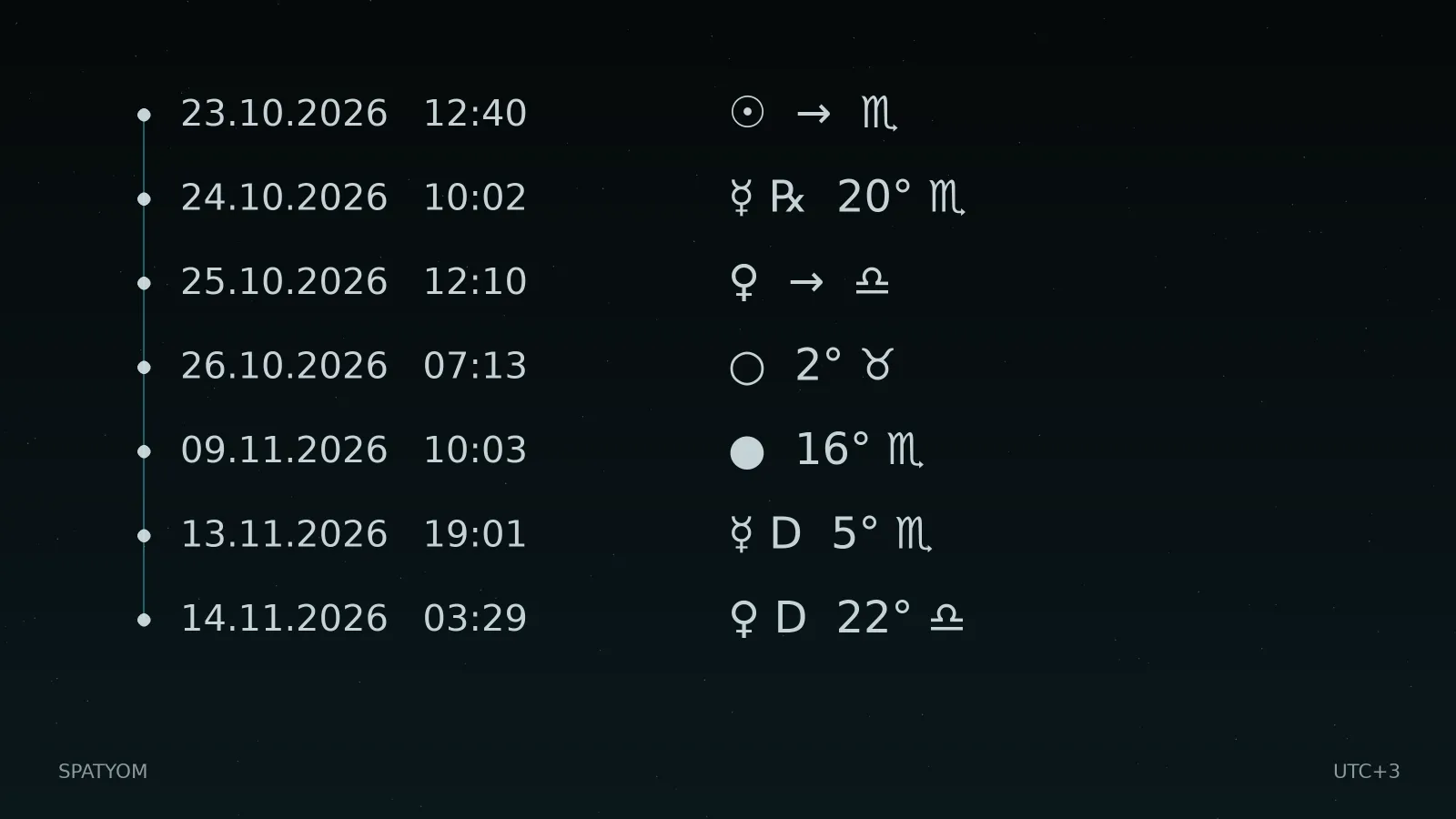
In late October, on the evenings of October 23 and 24, the Moon will shine just below the Great Square. The Moon will be in its waxing gibbous phase and will appear quite bright in the sky. This offers a great opportunity to observe the Great Square, as the Moon's position makes it easier to find the square. Nearby, Saturn can also be seen in the eastern sky. Saturn stands out from other stars with its bright and steady light. These two celestial bodies, together with the Great Square, create a beautiful composition for photographers as well.
However, remember that the Moon's brightness can make it difficult to see fainter details in the sky. Nevertheless, the bright stars of the Great Square are not much affected by this. While observing, you can note the Moon's position to better understand the shape of the square.
Create Your Own Star Pattern
One of the best things about stargazing is that everyone can create their own patterns. Although the Great Square is likened to a baseball diamond, you can see it in other shapes as well. Maybe a kite, maybe a window. Creating new patterns by connecting the stars with your imagination can increase your interest in astronomy. Such personal patterns are a fun way to get to know the sky better.
Stargazing especially with children nurtures their curiosity and imagination. Showing a child the Great Square and saying "This is a baseball diamond!" can be both fun and educational. The sky is a treasure waiting to be explored for people of all ages.
Observing Tips
The best time to observe the Great Square is during the evening hours in the second half of October. Getting away from city lights allows you to see the stars more clearly. Wait a few minutes for your eyes to adapt to the darkness. You can bring a star map or a sky app on your phone. Also, remember to dress warmly while observing; autumn evenings can be chilly.
After finding the Great Square, take time to explore the other stars and constellations around it. Perhaps you can look at the Andromeda Galaxy with binoculars. The sky is always open to new discoveries.
Comments
No comments yet. Be the first.